Maritime services can be related to waste management in several ways, particularly in the management of waste generated by ships and other vessels. Some examples of how maritime services and waste management intersect include:
1. Port waste reception facilities: Many ports around the world provide waste reception facilities for ships and other vessels to dispose of their waste in an environmentally responsible manner. These facilities may include provisions for the safe disposal of hazardous waste, such as oil or chemicals, as well as recycling or composting facilities for organic waste.
2. Waste management plans: Ships and other vessels are often required to develop and implement waste management plans to ensure that all waste generated on board is properly handled and disposed of. These plans may include provisions for sorting and segregating waste, using equipment and technologies to minimize waste, and properly disposing of waste in port or other appropriate facilities.
3. Environmental regulations: Maritime services may be subject to a range of local, national, and international environmental regulations related to waste management. These regulations may dictate the types of waste that can be disposed of at sea, require the use of specific equipment or technologies to minimize waste, or establish penalties for non-compliance with waste management requirements.
4. Pollution prevention: Waste management is a key component of pollution prevention efforts in the maritime industry. By properly managing and disposing of waste, ships and other vessels can reduce the risk of pollution incidents and protect the marine environment.
Waste management is an important consideration for maritime services, both in terms of complying with environmental regulations and protecting the marine environment from the negative impacts of waste. Effective waste management practices can help to minimize the environmental impact of maritime activities while ensuring that ships and other vessels operate in a safe and sustainable manner.
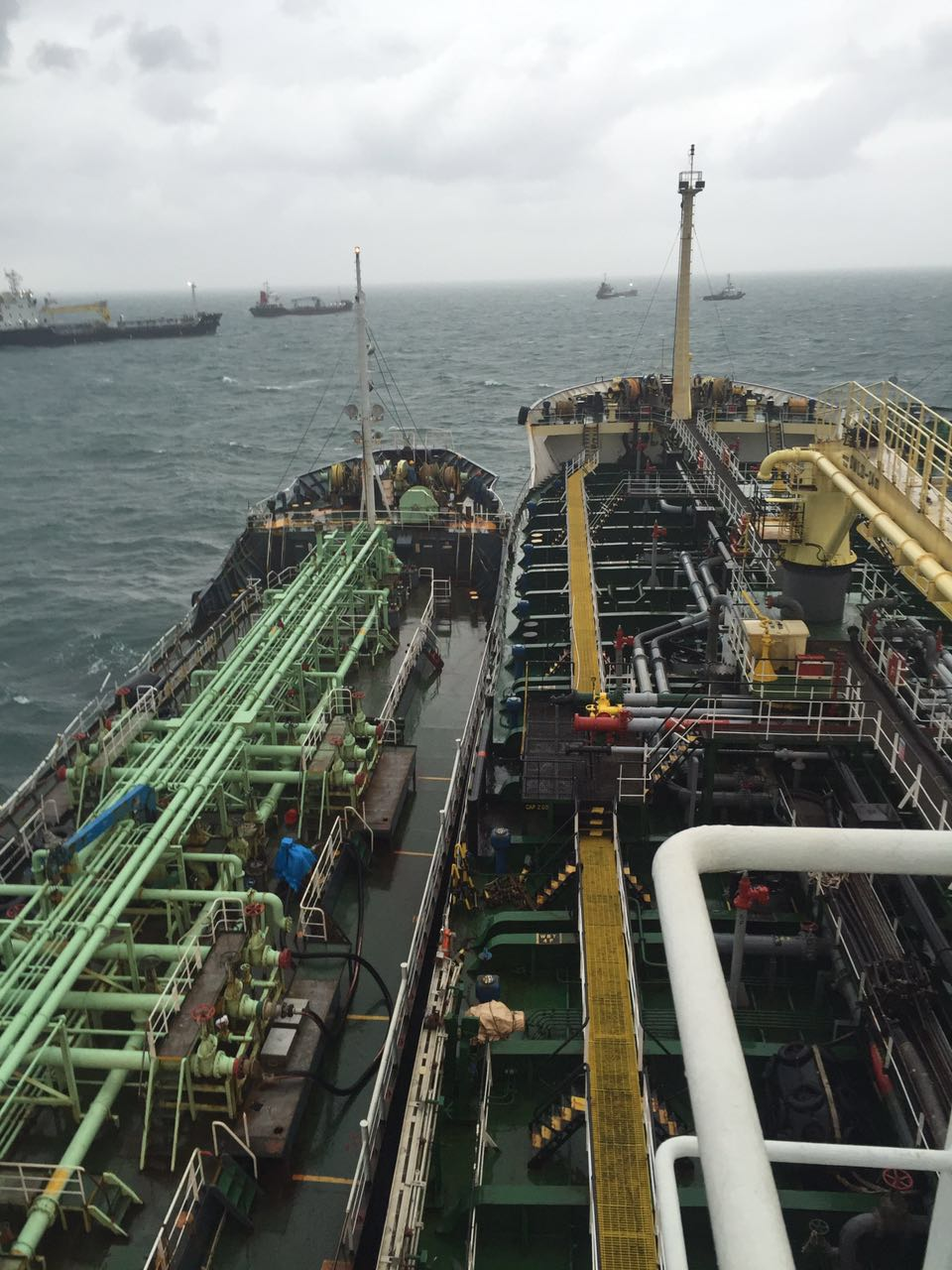
Desludging and deslopping are both processes that involve removing sludge and other residues from oil tankers or storage tanks.
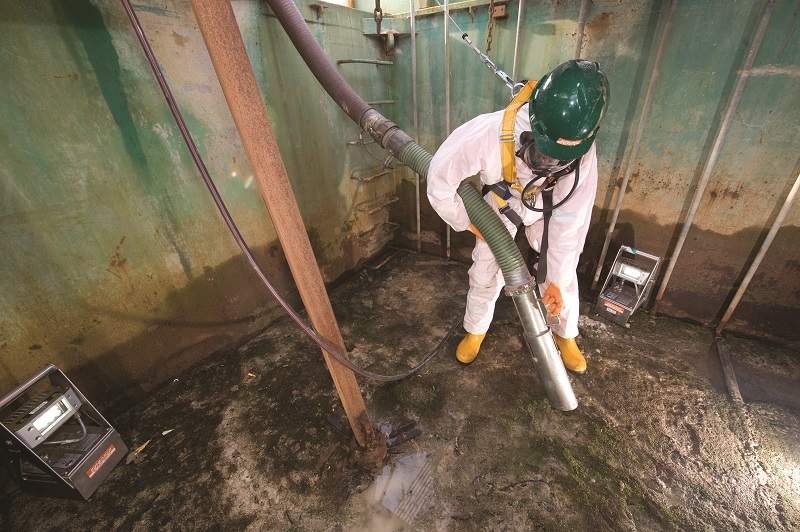
Desludging is the process of removing accumulated sludge and sediments from the bottom of a storage tank or oil tanker. Over time, oil tanks can accumulate sludge, which is a mixture of water, sediment, and other impurities that settle at the bottom of the tank. Desludging involves pumping out the sludge from the tank and disposing of it safely. This process is important to prevent contamination of the oil and ensure that the tank can hold its maximum capacity.
Deslopping is a similar process, but involves removing slops, which are a mixture of water and oil that accumulate on the surface of the tank. Slops can result from a variety of factors, such as spills, leaks, or excess water in the tank. Deslopping involves separating the oil from the water in the slops and disposing of them separately.
Both desludging and deslopping are important maintenance activities that help to ensure the safe and efficient operation of oil storage tanks and tankers. They also help to prevent environmental contamination and ensure compliance with regulations governing the handling and disposal of waste materials.
Offshore electrical and lighting products are a critical role in offshore oil and gas exploration and production activities. Proper management of offshore electrical and lighting products is essential to ensure that they are used and disposed of in an environmentally responsible manner, minimizing the impact on the marine environment and promoting more sustainable waste management practices.
One of the key challenges associated with offshore electrical and lighting products is their potential to generate hazardous waste. Many of these products contain materials that can be harmful to the environment if not properly managed and disposed of, including batteries, electronic components, and other hazardous materials. As a waste management company, it is our responsibility to ensure that any hazardous waste generated by offshore electrical and lighting products is properly identified, segregated, and disposed of in accordance with local, national, and international regulations.
Another important consideration for us as a waste management company is the potential for recycling and reuse of offshore electrical and lighting products. Many of these products are designed to be easily disassembled and recycled or reused, reducing the amount of waste generated by offshore activities and promoting more sustainable waste management practices. As such, we work closely with offshore companies to develop recycling and reuse programs for electrical and lighting products, promoting more sustainable and environmentally responsible practices.
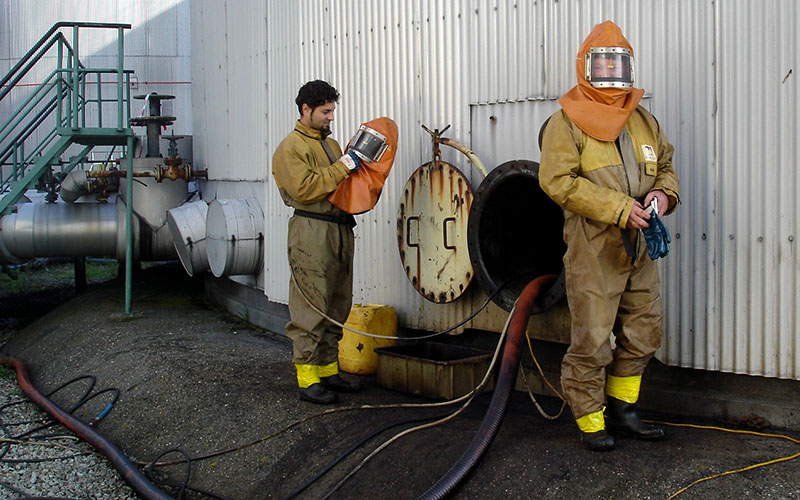
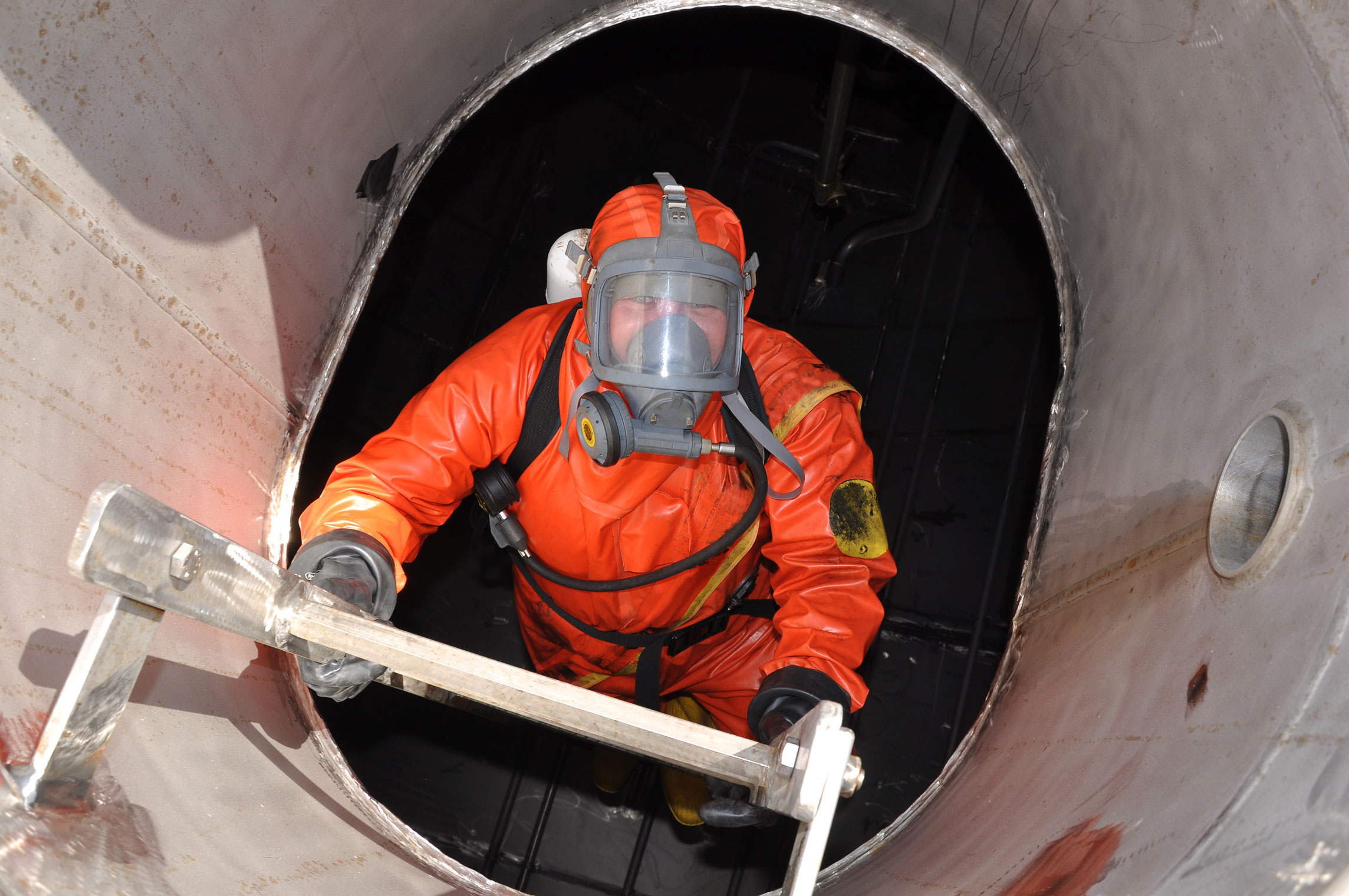
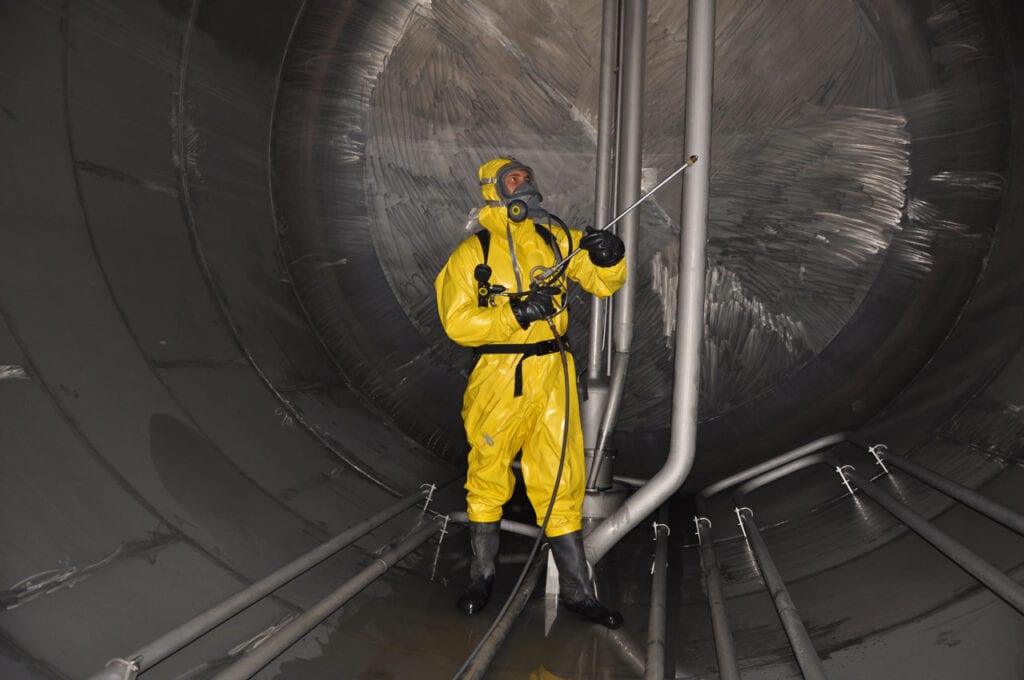
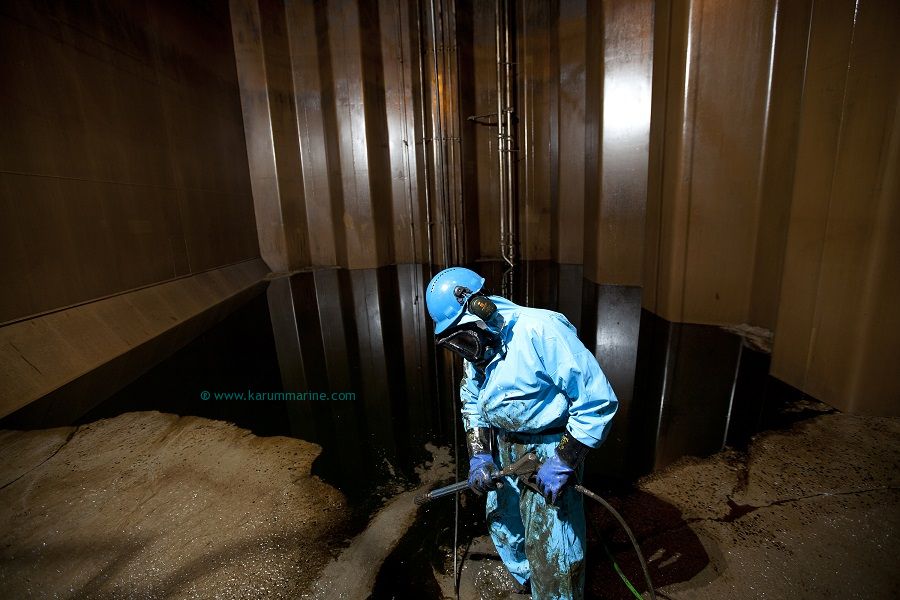
Oil tank cleaning can be considered a maritime service, as it is an essential component of ensuring the safe and efficient operation of ships and other vessels. Oil tank cleaning involves the removal of residual oil and other contaminants from the tanks of ships and other vessels to ensure that they are clean and safe for use.
Oil tank cleaning is particularly important for vessels that transport oil or other hazardous materials, as these materials can leave behind residue that can be harmful to the environment and to the health and safety of crew members. Proper tank cleaning procedures can help to prevent pollution incidents, protect the marine environment, and ensure compliance with local, national, and international regulations.
Oil tank cleaning services may be provided by specialized companies or may be part of the broader range of services provided by maritime service providers. These services may include everything from the physical cleaning of tanks using specialized equipment and techniques to the disposal of waste materials in an environmentally responsible manner.
Oil tank cleaning is an important component of maritime services, as it helps to ensure the safe and responsible operation of ships and other vessels. Proper tank cleaning procedures can help to minimize the risk of pollution incidents and protect the marine environment, while also promoting the safety and well-being of crew members and other personnel involved in maritime operations.
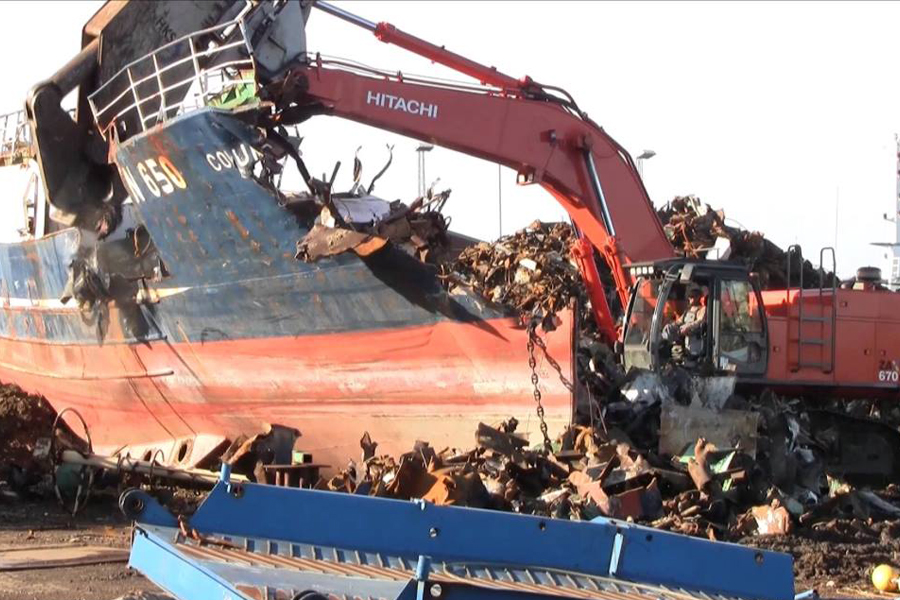
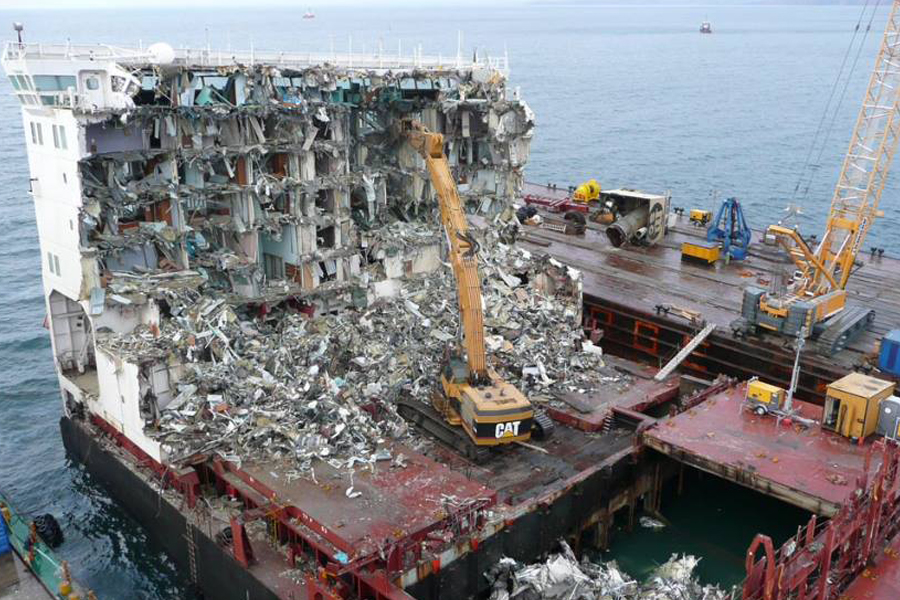
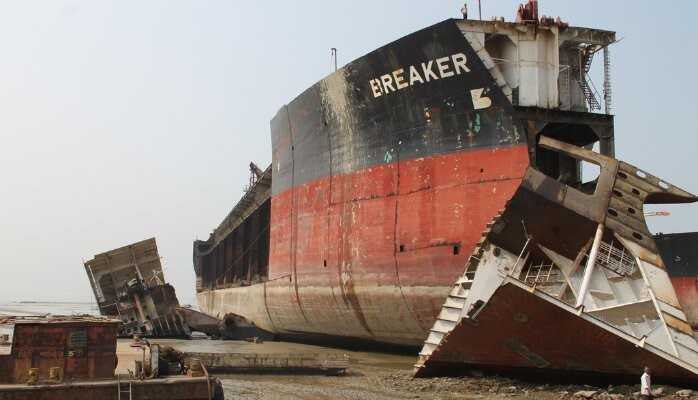
Ship disposal, also known as ship breaking or ship recycling, refers to the process of dismantling and disposing of end-of-life ships. Ship disposal is important for several reasons:
Environmental protection: When ships reach the end of their useful life, they often contain hazardous materials that can pose a risk to human health and the environment if they are not disposed of properly. Ship disposal ensures that these hazardous materials are removed and disposed of safely.
Resource conservation: Ships contain valuable materials, such as steel, copper, and aluminum, which can be recycled and reused. Ship disposal allows for the recovery and recycling of these materials, which helps to conserve natural resources and reduce the need for new mining and extraction.
Safety: Ships that are no longer seaworthy or have been damaged in accidents can pose a risk to navigation and safety. Ship disposal ensures that these ships are removed from service and disposed of safely, reducing the risk of accidents and incidents.
Regulatory compliance: Many countries have laws and regulations that require ships to be disposed of in a safe and environmentally responsible manner. Ship disposal ensures that these regulations are complied with, and that ships are disposed of in a way that meets the highest standards of safety and environmental responsibility.
ship disposal is an important aspect of the maritime industry that helps to protect the environment, conserve natural resources, promote safety, and ensure regulatory compliance. The proper disposal of end-of-life ships is essential for creating a more sustainable and responsible maritime industry.