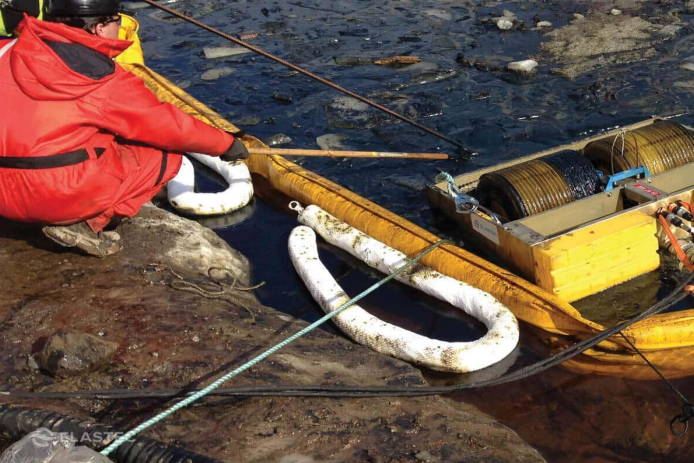
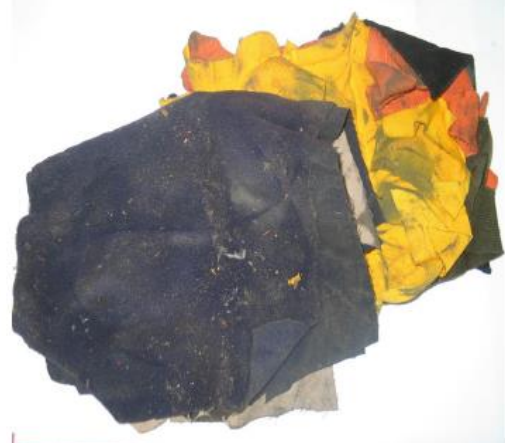
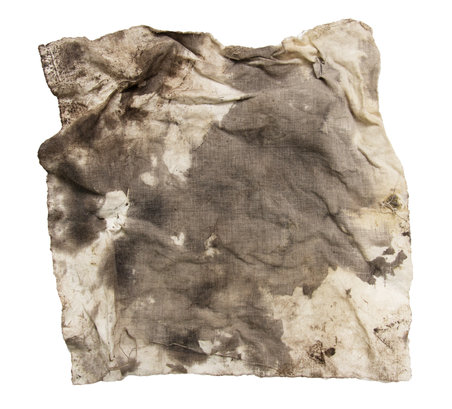
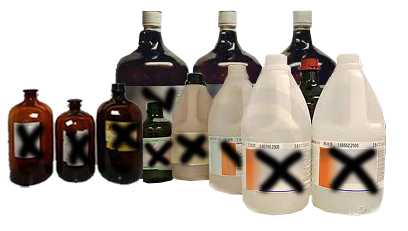
Schedule waste disposal refers specifically to the disposal of hazardous waste materials. Hazardous waste is a type of waste material that poses a potential risk to human health or the environment due to its chemical or physical properties. Examples of hazardous waste include chemical waste, electronic waste, medical waste, radioactive waste, and more.
The management of hazardous waste is governed by specific regulations and guidelines, which vary by country and region. These regulations typically require the safe handling, transportation, and disposal of hazardous waste to minimize its impact on human health and the environment. Scheduled waste disposal is typically carried out by licensed professionals or companies that specialize in hazardous waste management. The process of hazardous waste disposal involves identifying, segregating, and packaging the hazardous waste, and transporting it to an appropriate disposal facility for treatment or disposal.
In summary, schedule waste disposal is a specific type of waste disposal that pertains only to hazardous waste.
We are capable to handle below scheduled waste code:
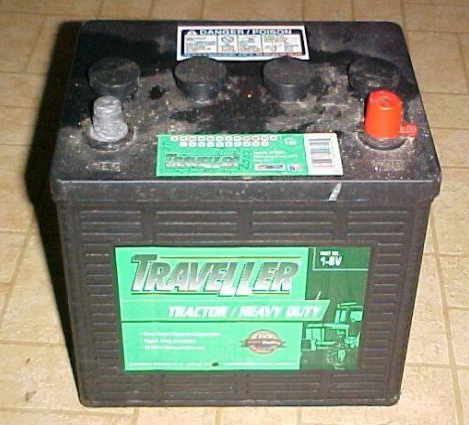
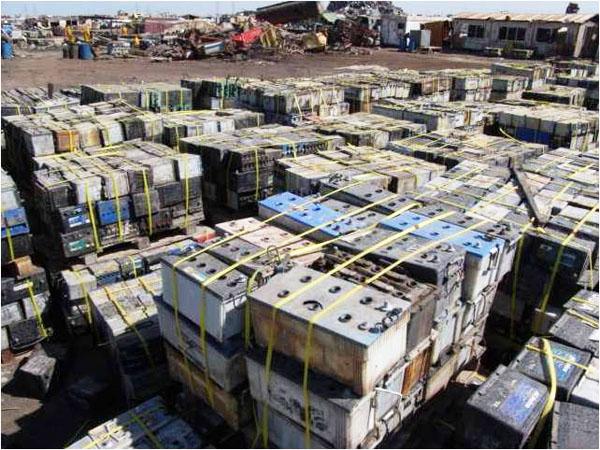
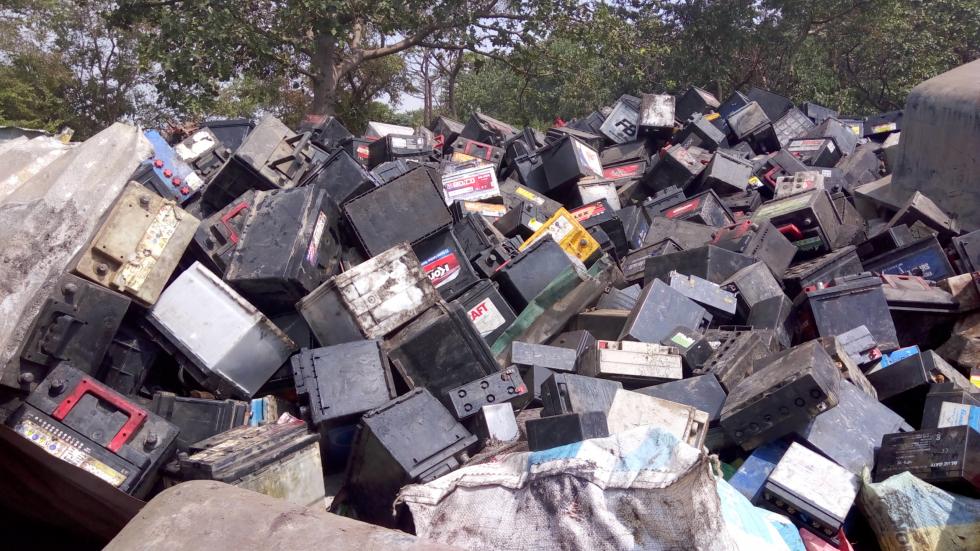
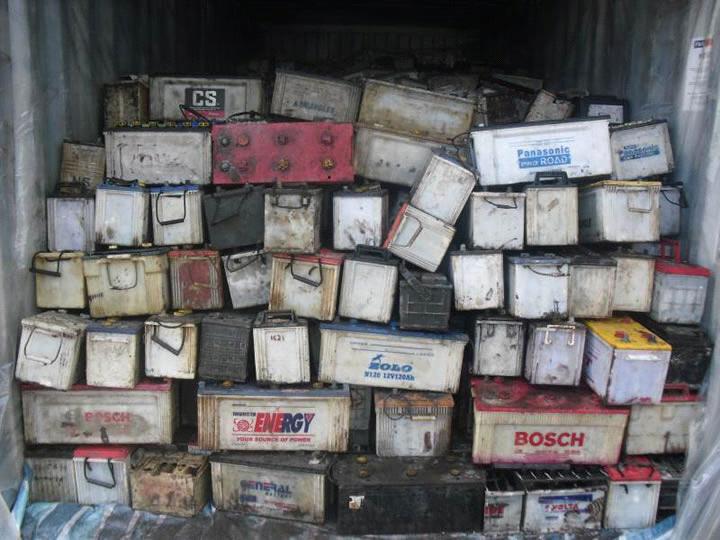
SW 102 - Waste of lead acid batteries
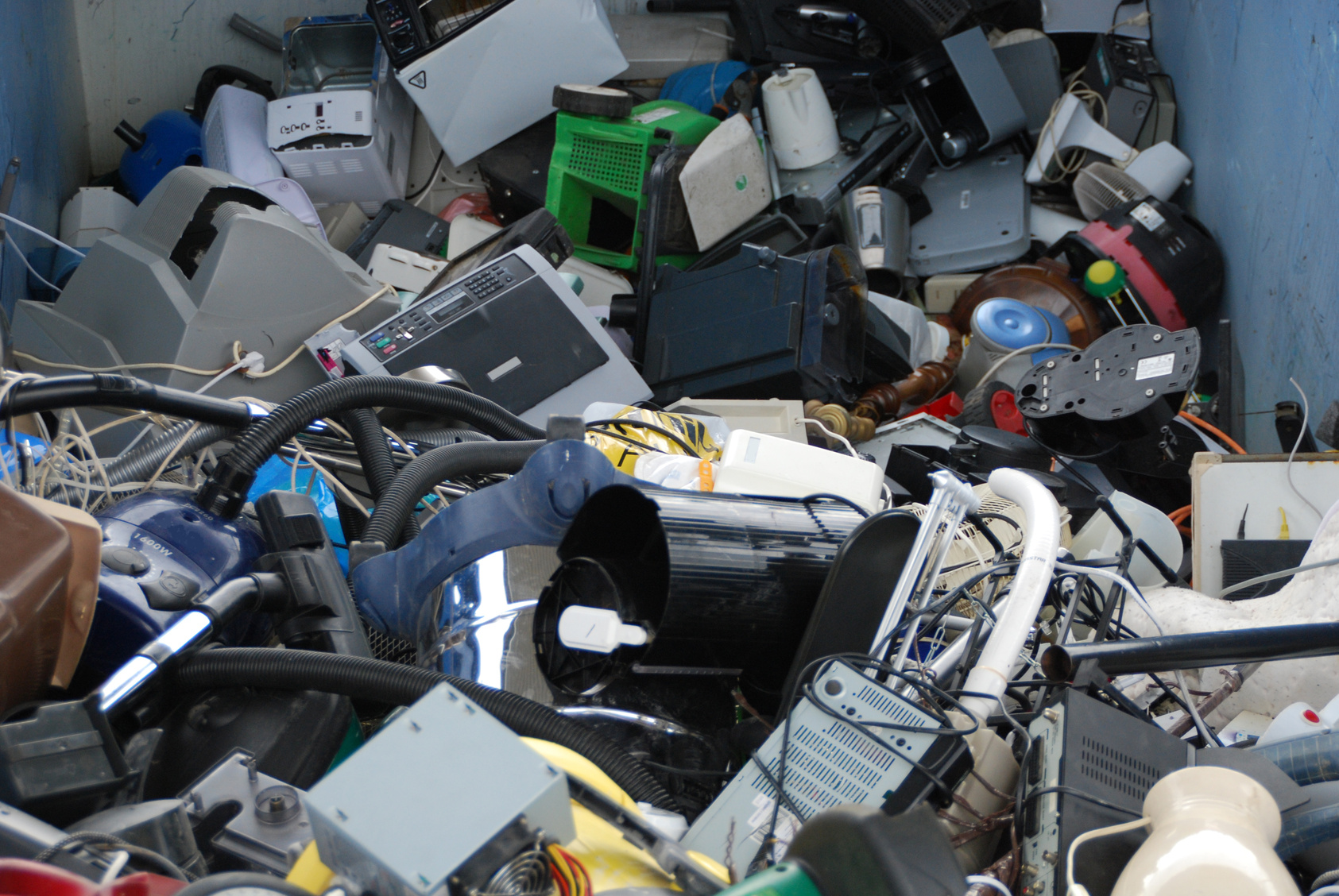
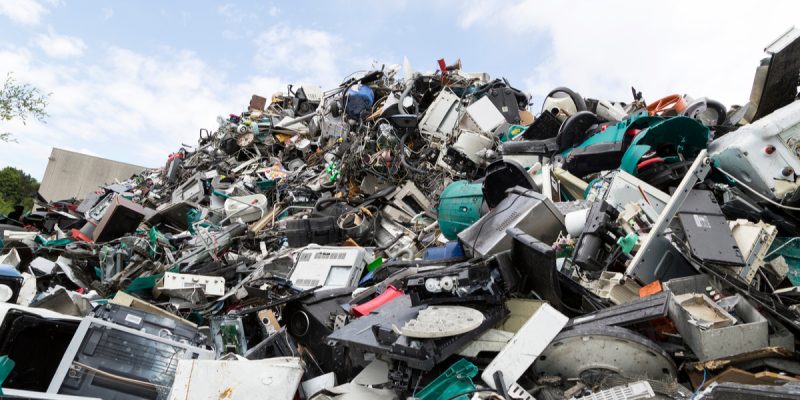
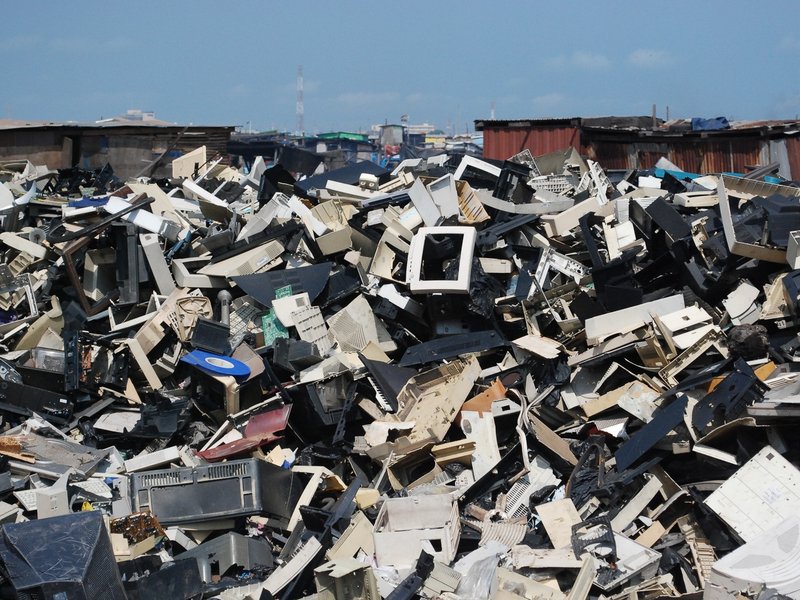
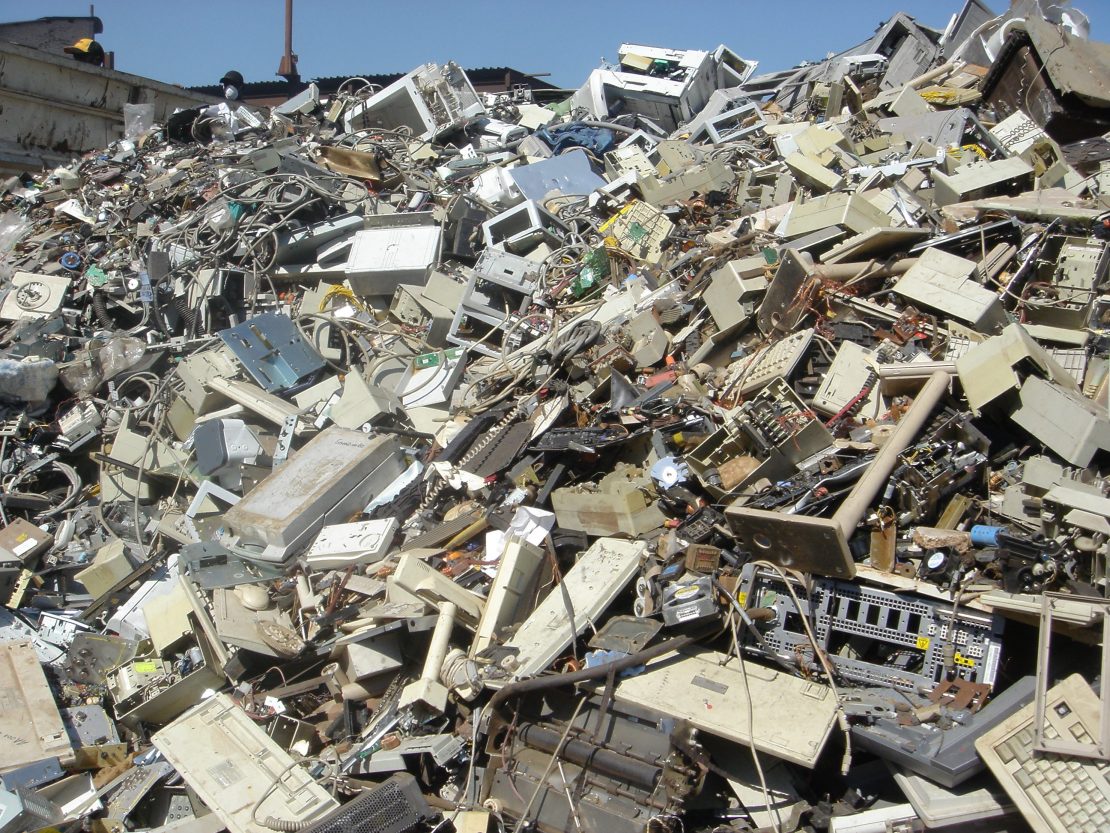
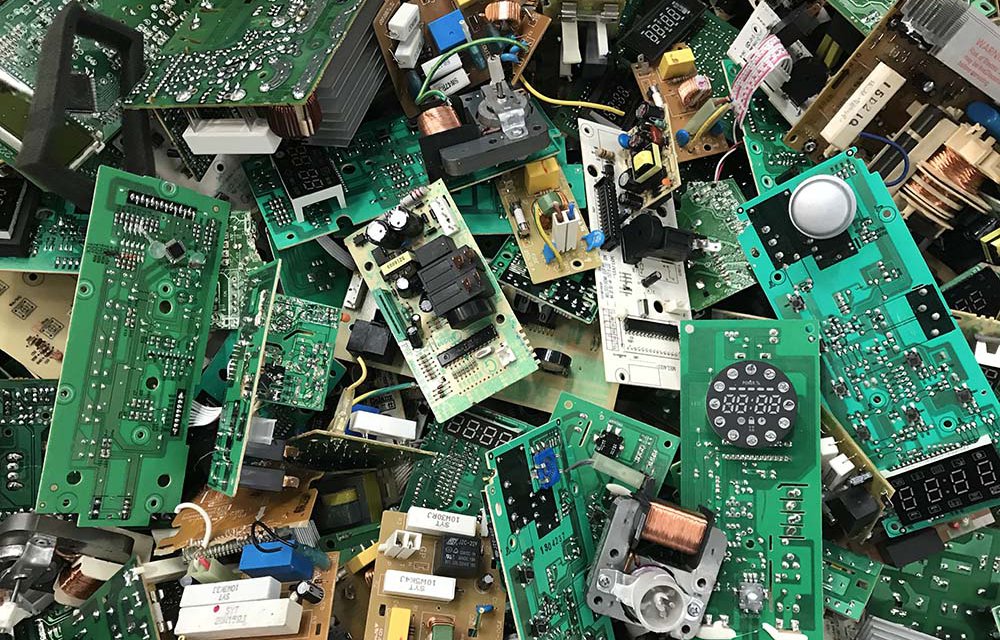
SW 110 - Waste from electrical and electronic
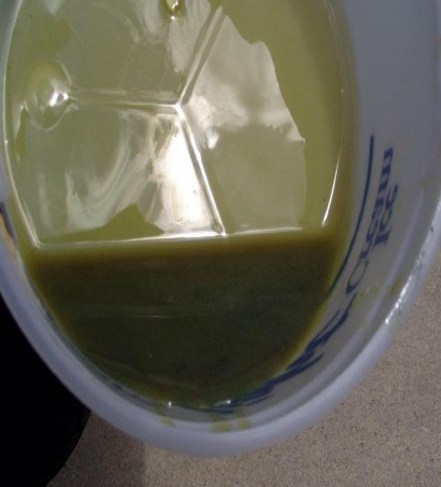
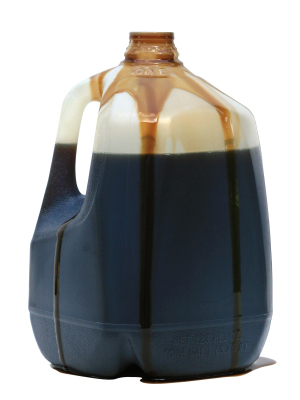
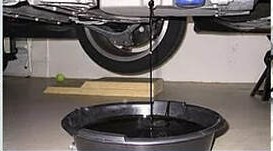
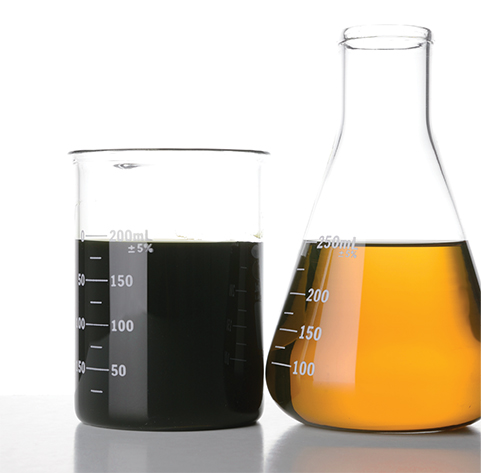
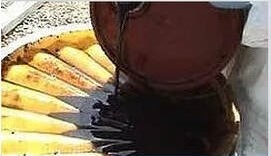
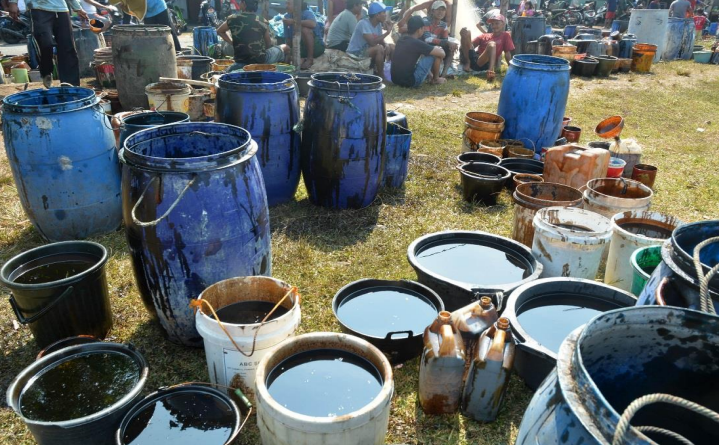
SW 305 - Used Lubricant Oil
SW 306 - Used Hydraulic Oil
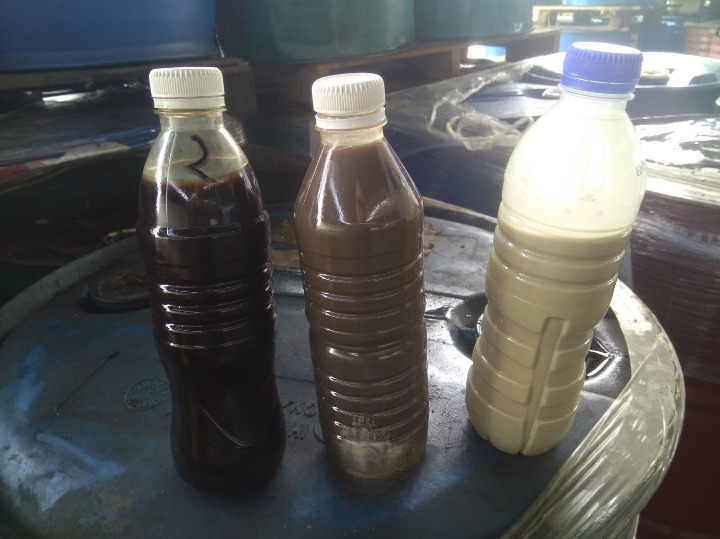
SW 307 - Oil & Water Emulsion
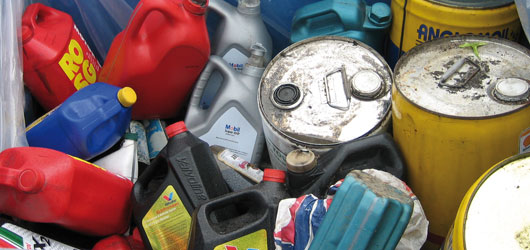
SW 409 - Used Empty Drums
SW 410 - Used Oil Filter
Example of waste: Spent lead acid battery component such as plastic casing, lead plate and electrolyte (acid)
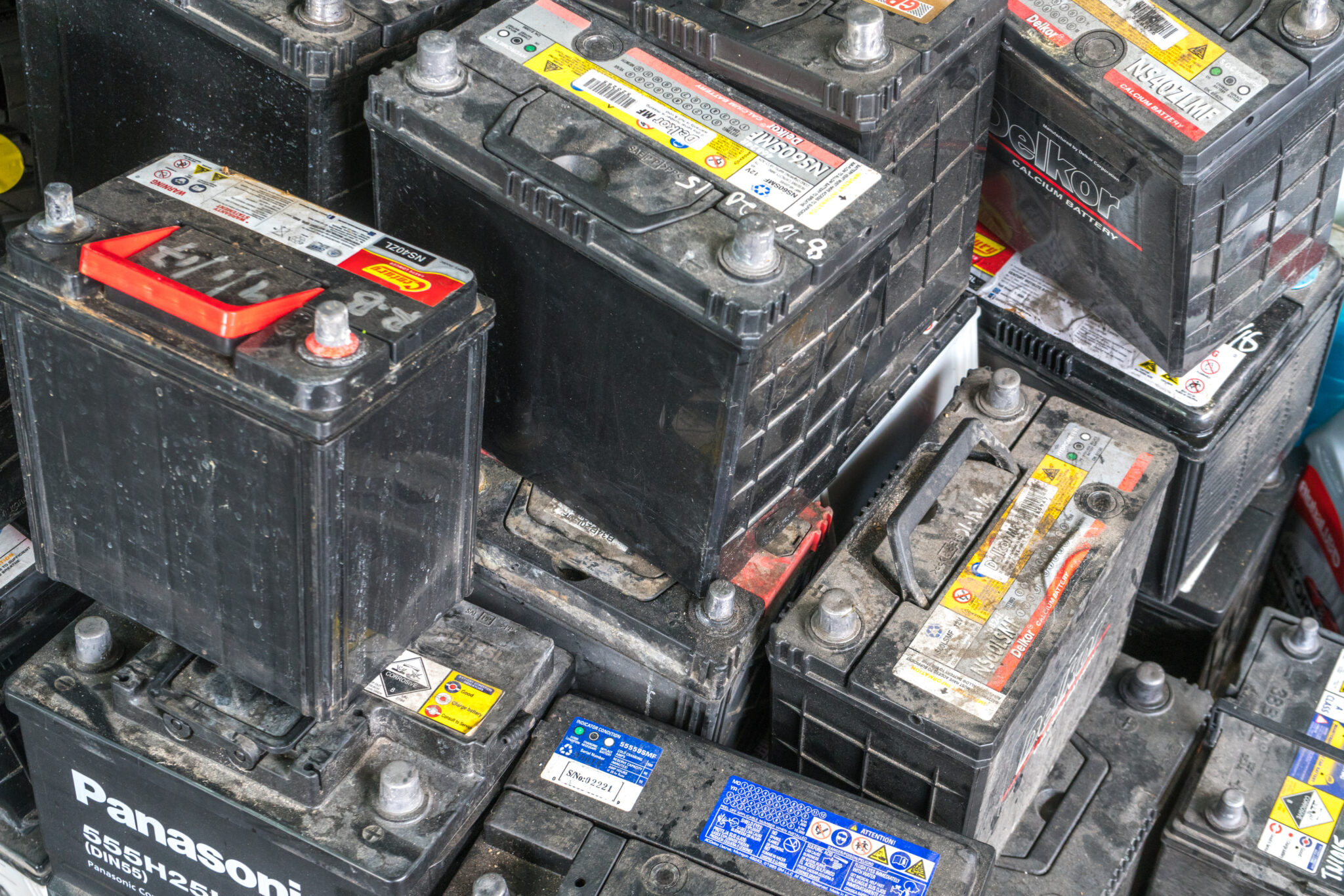
Typical source: Motor vehicles and compressor machines
Typical source: Hydraulic equipment and machines

Example of waste: Spent coolant, or cutting fluids
Typical source: Metals cutting or shaping process
Example of Waste: Empty paint containers, Used empty drums


Example of waste: Used latex gloves
Typical source: Factory production line, laboratory, etc...