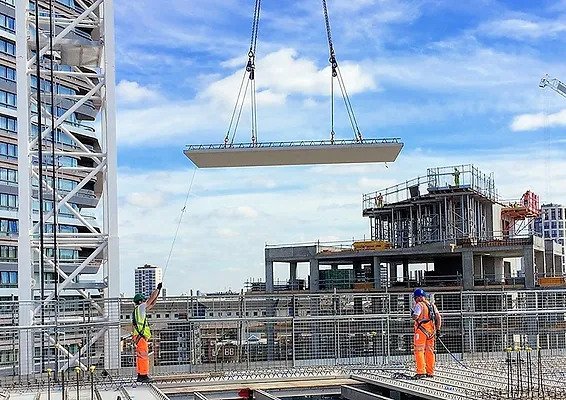
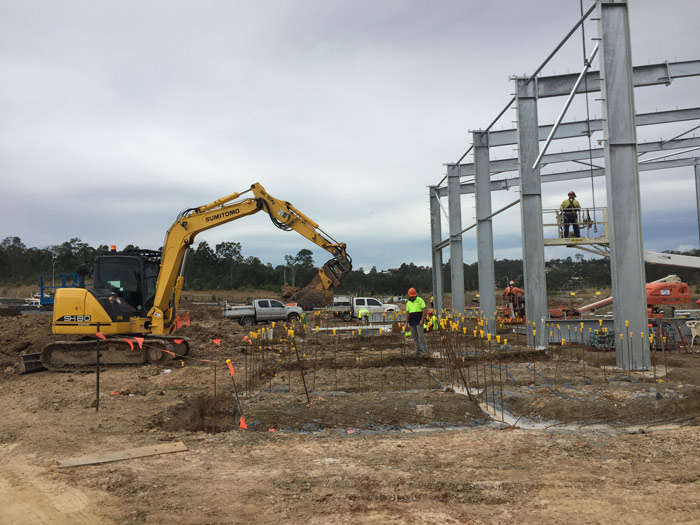
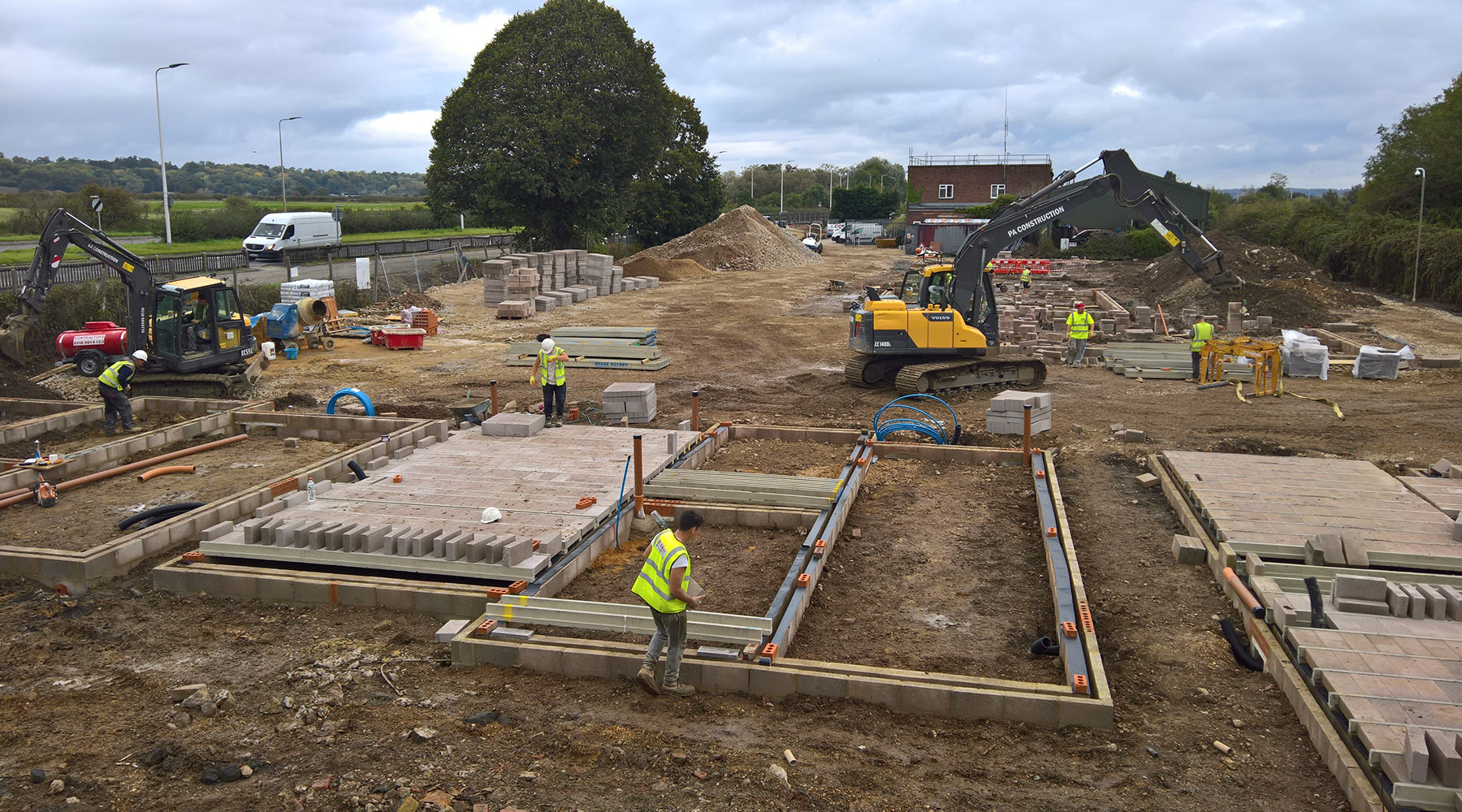
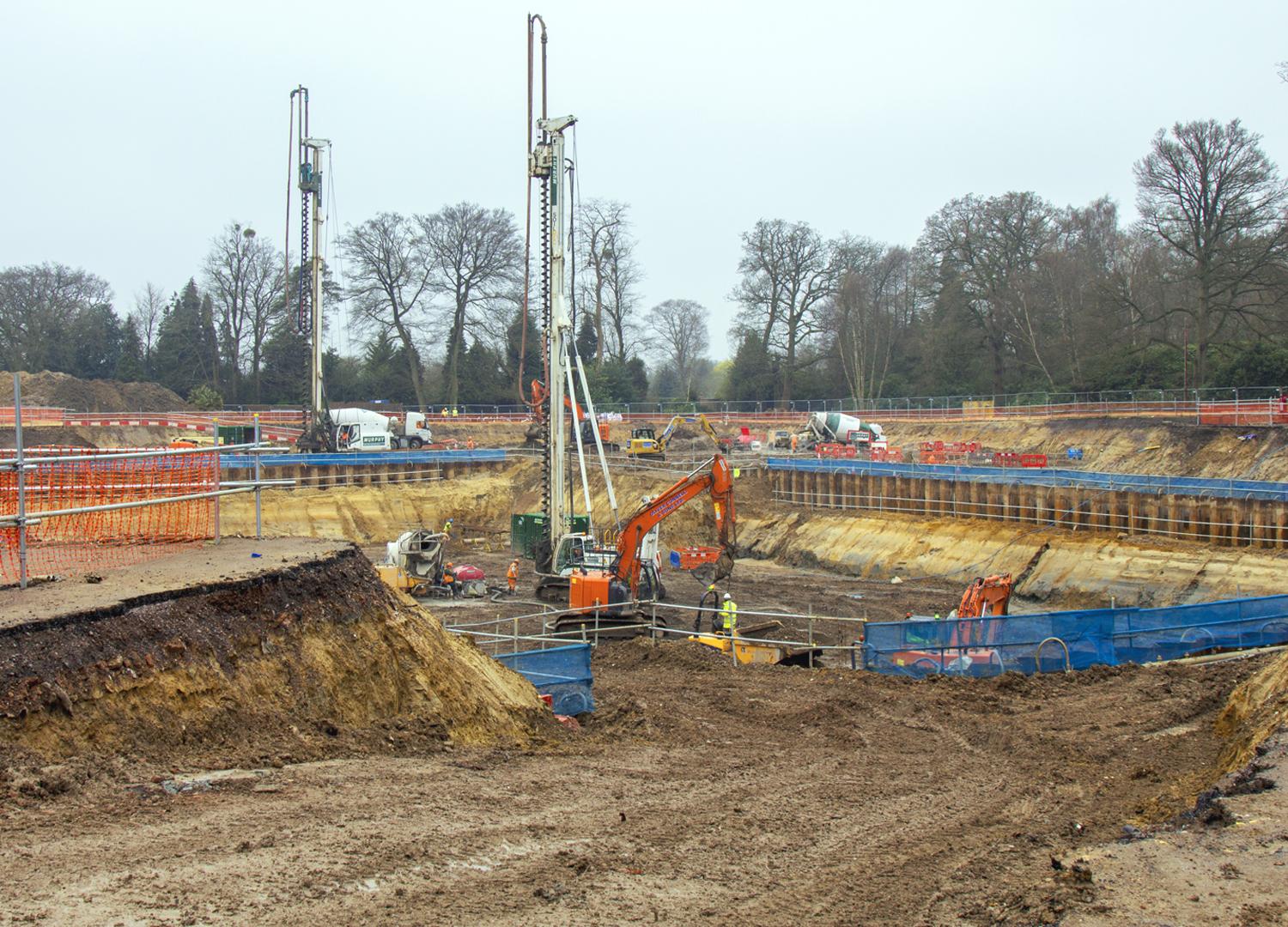
Civil and structural engineering are two closely related fields that involve the design, construction, and maintenance of buildings, bridges, roads, and other infrastructure.
Civil engineering involves the design and construction of infrastructure that is essential for modern society to function. This includes buildings, roads, bridges, airports, water and sewage systems, and other structures. Civil engineers must consider a range of factors when designing and constructing these structures, including safety, durability, environmental impact, and cost-effectiveness. They use a variety of tools and techniques, such as computer-aided design (CAD), modeling software, and structural analysis to ensure that their designs are safe and effective.
Structural engineering is a subfield of civil engineering that focuses specifically on the design and analysis of structures, such as buildings, bridges, and towers. Structural engineers must consider the strength, stability, and safety of structures under various loads, including wind, earthquakes, and other environmental factors. They use mathematical models and computer simulations to analyze and optimize structural designs, ensuring that they are able to withstand these loads.
Together, civil and structural engineering play a crucial role in ensuring the safety, efficiency, and sustainability of our built environment. They are essential for the development of modern infrastructure and the growth of cities and communities.
Mechanical and electrical engineering are two diverse fields of engineering that are critical in the design and development of various systems and machines.
Mechanical engineering deals with the design, development, and maintenance of machines and mechanical systems. This can include everything from simple tools to complex industrial machines. Mechanical engineers use their knowledge of physics, materials science, and mathematics to design and optimize mechanical systems that are efficient, safe, and reliable. They work on projects ranging from aircraft engines and medical devices to power plants and robotics.
Electrical engineering, on the other hand, focuses on the design and development of electrical systems, such as power generation, transmission, and distribution systems. Electrical engineers also work on electronic systems, such as computers, telecommunications equipment, and automation systems. They use their knowledge of physics, mathematics, and electrical theory to design and optimize electrical systems that are efficient, safe, and reliable.
Both mechanical and electrical engineers often work in teams to design and develop complex systems that combine both mechanical and electrical components. For example, a team of engineers may work together to design and build an aircraft engine that uses mechanical components, such as gears and turbines, as well as electrical components, such as sensors and control systems. Overall, mechanical and electrical engineering are critical fields that play a key role in the design, development, and maintenance of a wide range of systems and machines that are essential for modern society.